Custom Cabinetry Manufacturing & China Sourcing Support for Australia, North America and Jamaica
Email: sasa@fsgzhome.com Whatsapp: (+86)158-1717-8181

Raw Materials
01
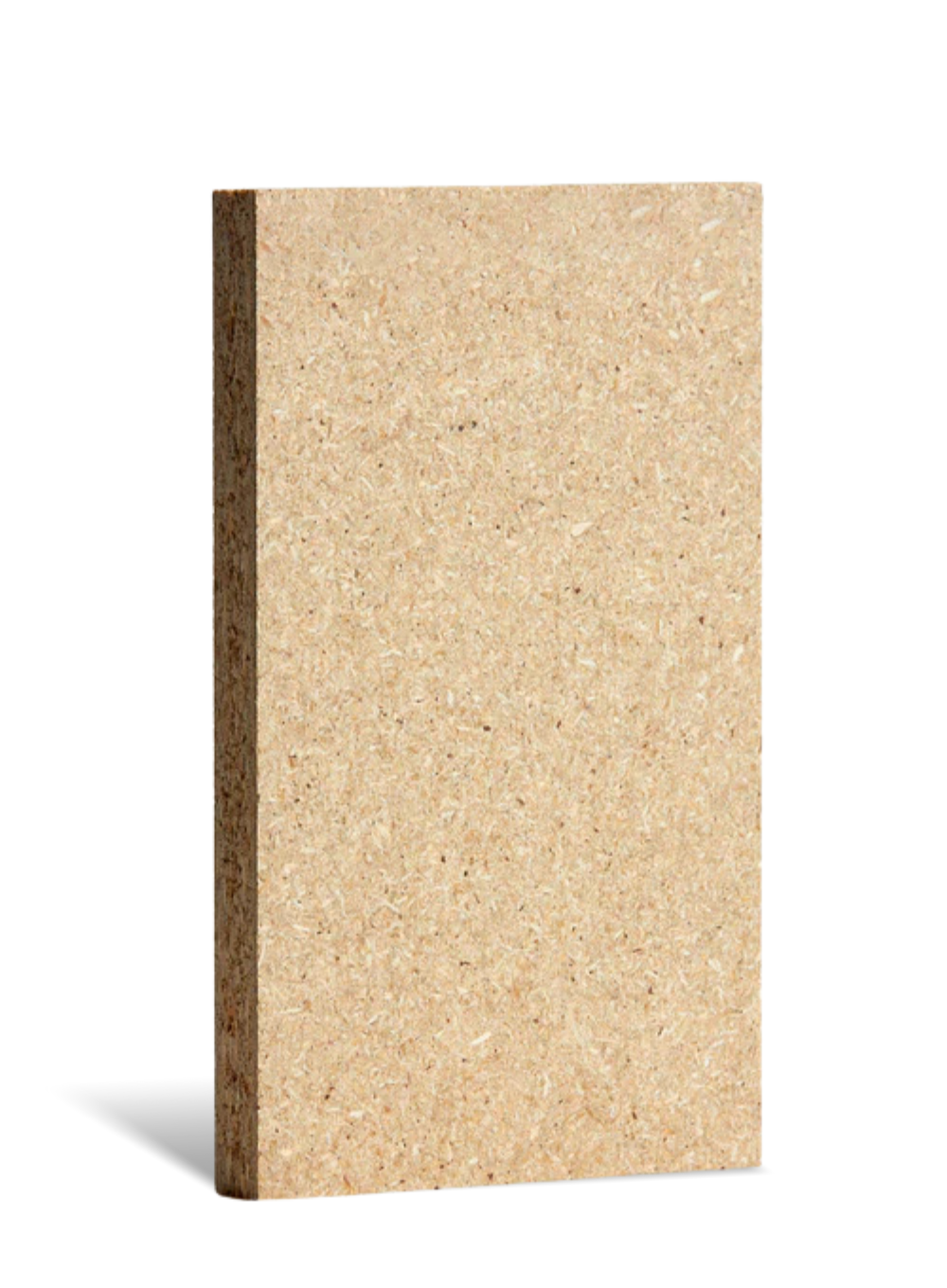
particle board
1. Relevant Parameters
- Density: Typically ranges from 600 to 800 kg/m³
- Thickness: E1: Formaldehyde Emission≤1.5mg/L
- Moisture Content: Typically between 5% and 12%
2. Applications in Whole-House Custom Furniture
- Carcasses: Used for the internal structure or carcasses of cabinets, wardrobes, and other furniture items.
- Shelving: Suitable for shelving, particularly when laminated for improved aesthetics and durability.
- Drawer Bottoms: Commonly used for drawer bottoms due to its stability and cost-effectiveness.
- Paneling: Can be used as wall paneling when laminated or treated for moisture resistance.
- Substrate: Serves as a substrate for veneers or laminates, providing a stable and even surface for higher-end finishes.
02
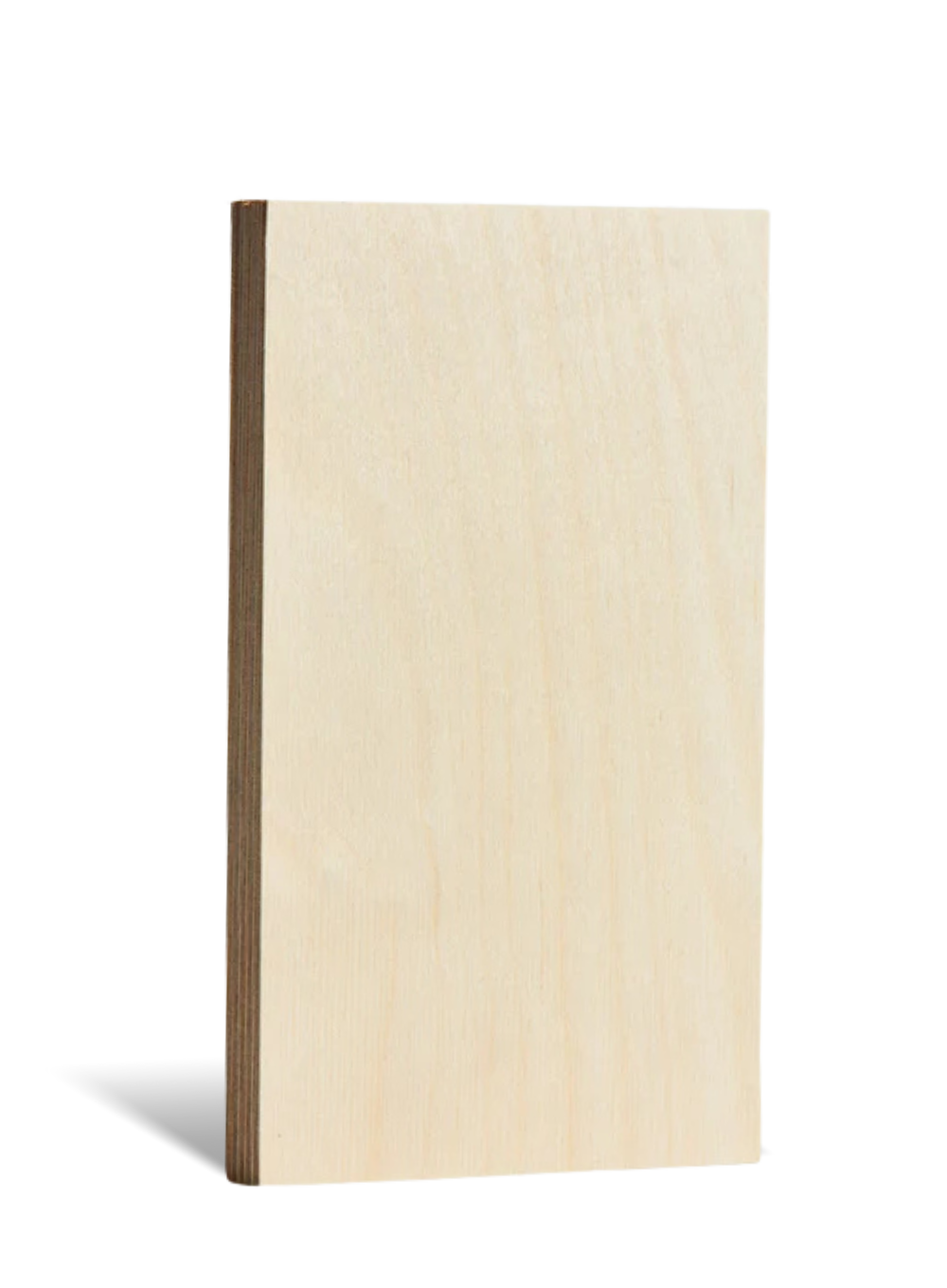
PLYWOOD
1.Relevant Parameters
- Thickness: 9mm to 18mm
- Density: Ranges from 500 to 700 kg/m³
- Wood Species: Commonly made from hardwoods (birch, maple, oak) or softwoods (pine, fir)
- Grade: Grades A
- Formaldehyde Emission: E0-rated
- Moisture Content: Generally between 6% and 14%.
2.Applications in Whole-House Custom Furniture
- Cabinet Carcasses: Used for the structural framework of cabinets, when strength and screw-holding ability are critical.
- Shelving: Provides strong and stable shelving, capable of supporting significant weight.
- Drawer Sides and Bottoms: Used for drawer construction, offering good stability and durability.
- Door Panels: Can be used for door panels, particularly when veneered with a decorative finish.
03
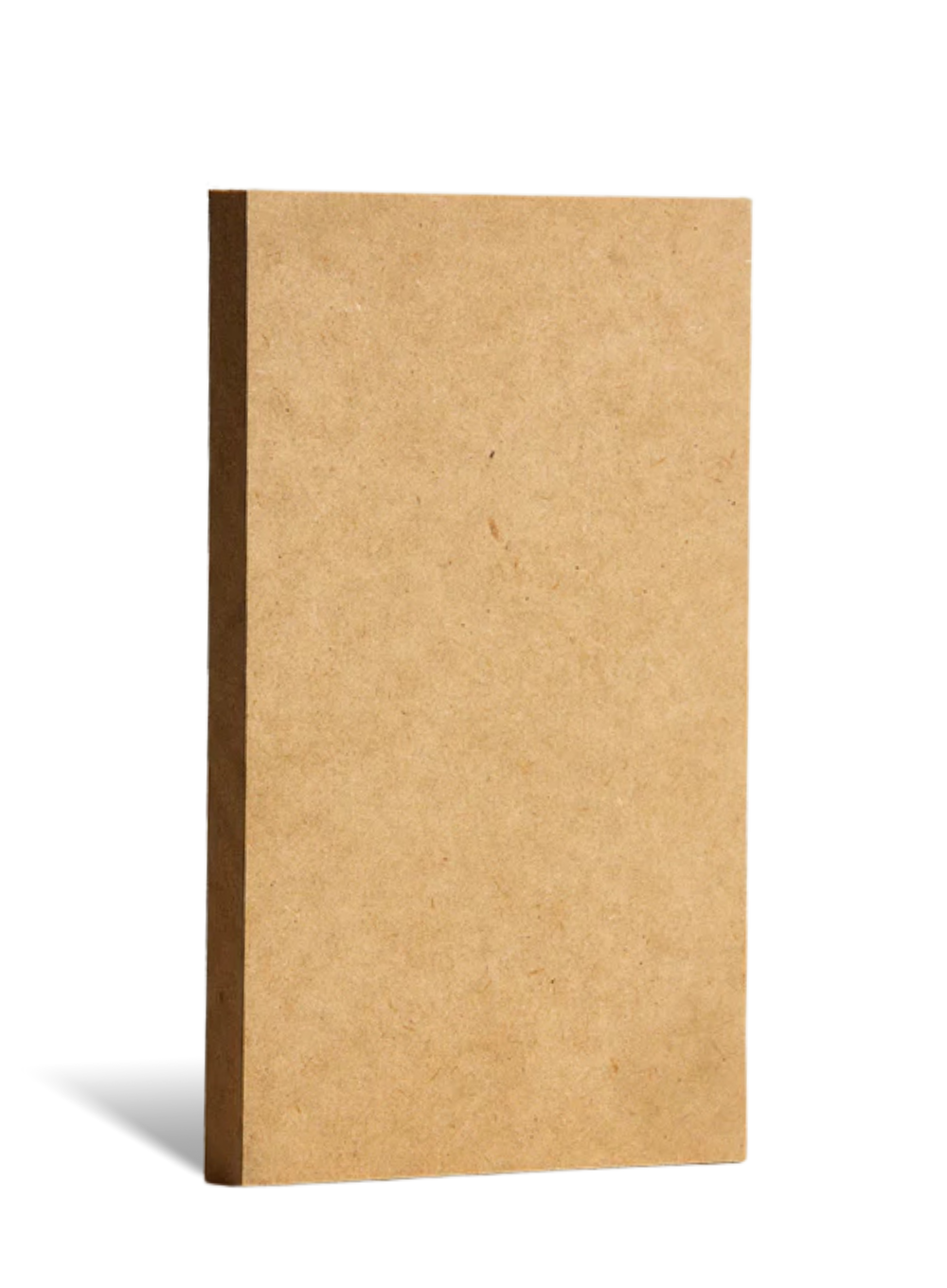
MDF
1.Relevant Parameters
- Thickness: 6mm to 25mm
- Density: Ranges from 600 to 800 kg/m³. Consistent density throughout the board.
- Formaldehyde Emission: E1: Formaldehyde Emission≤1.5mg/L.
- Surface Finish: Smooth and uniform surface ideal for painting, laminating, or veneering.
- Moisture Content: Typically between 5% and 10%.
2.Applications in Whole-House Custom Furniture
- Painted Cabinet Doors and Drawer Fronts: Provides a smooth, stable surface for painted finishes.
- Decorative Panels: Used for decorative wall panels and trim.
- Shelving: Suitable for shelving in low-stress applications, particularly when laminated or finished.
- Drawer Fronts: Excellent for drawer fronts due to its smooth surface and ease of finishing.
04
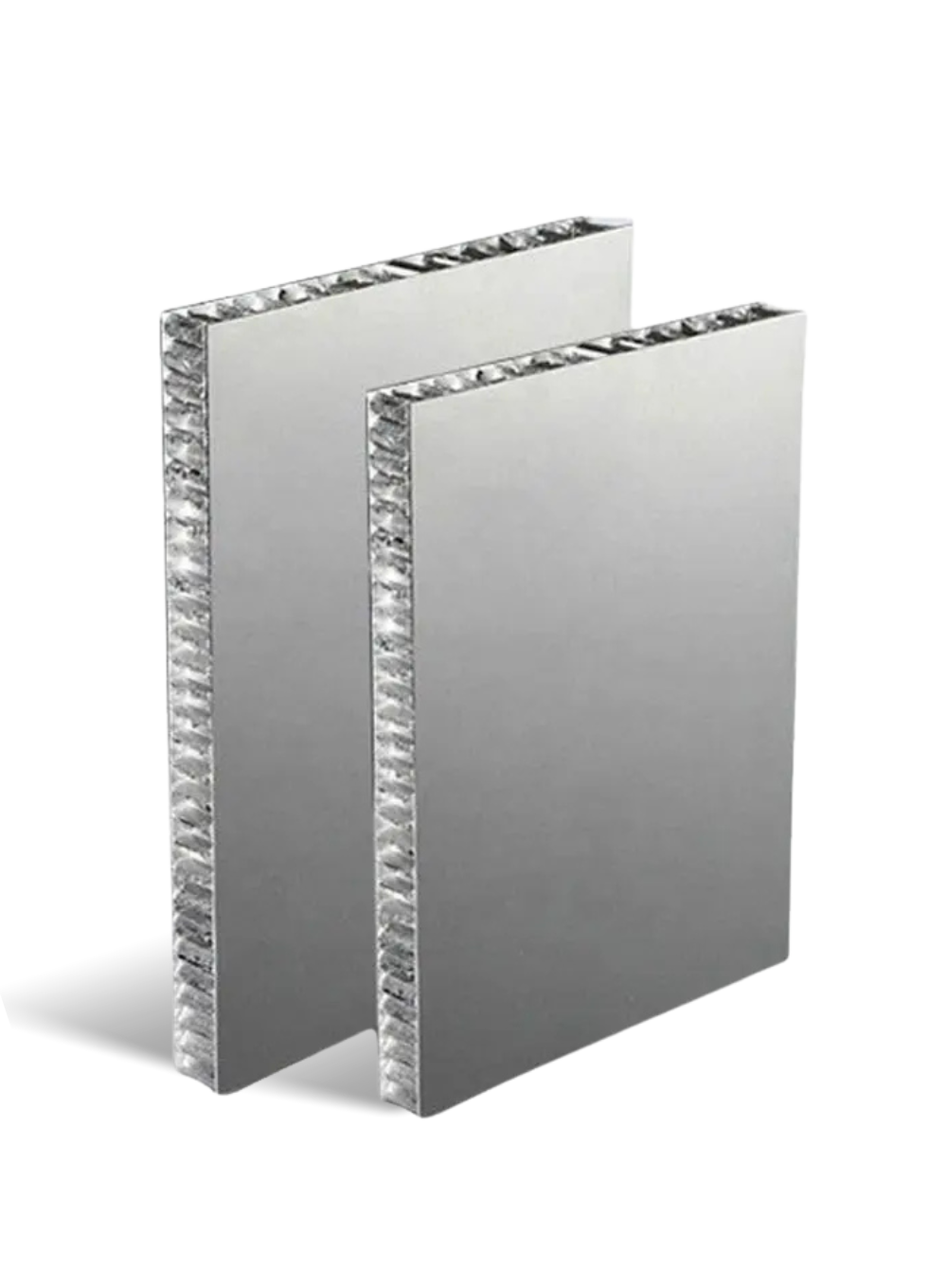
Stainless Steel
1.Relevant Parameters
- Grade: 304 and 316 stainless steel are most common for furniture
- Thickness: 0.8mm to 2mm
- Finish: Common finishes include brushed, polished, and satin
- Yield Strength: Around 205 MPa (megapascals) for 304 stainless steel
- Tensile Strength: Around 515 MPa for 304 stainless steel
2.Applications in Whole-House Custom Furniture
- Kitchen Countertops: Provides a durable, hygienic, and heat-resistant surface.
- Cabinet Accents: Used for decorative trim, handles, and legs to add a modern touch.
- Bathroom Fixtures: Suitable for bathroom fixtures due to its corrosion resistance.
- Backsplashes: Excellent for kitchen backsplashes due to its easy-to-clean surface.
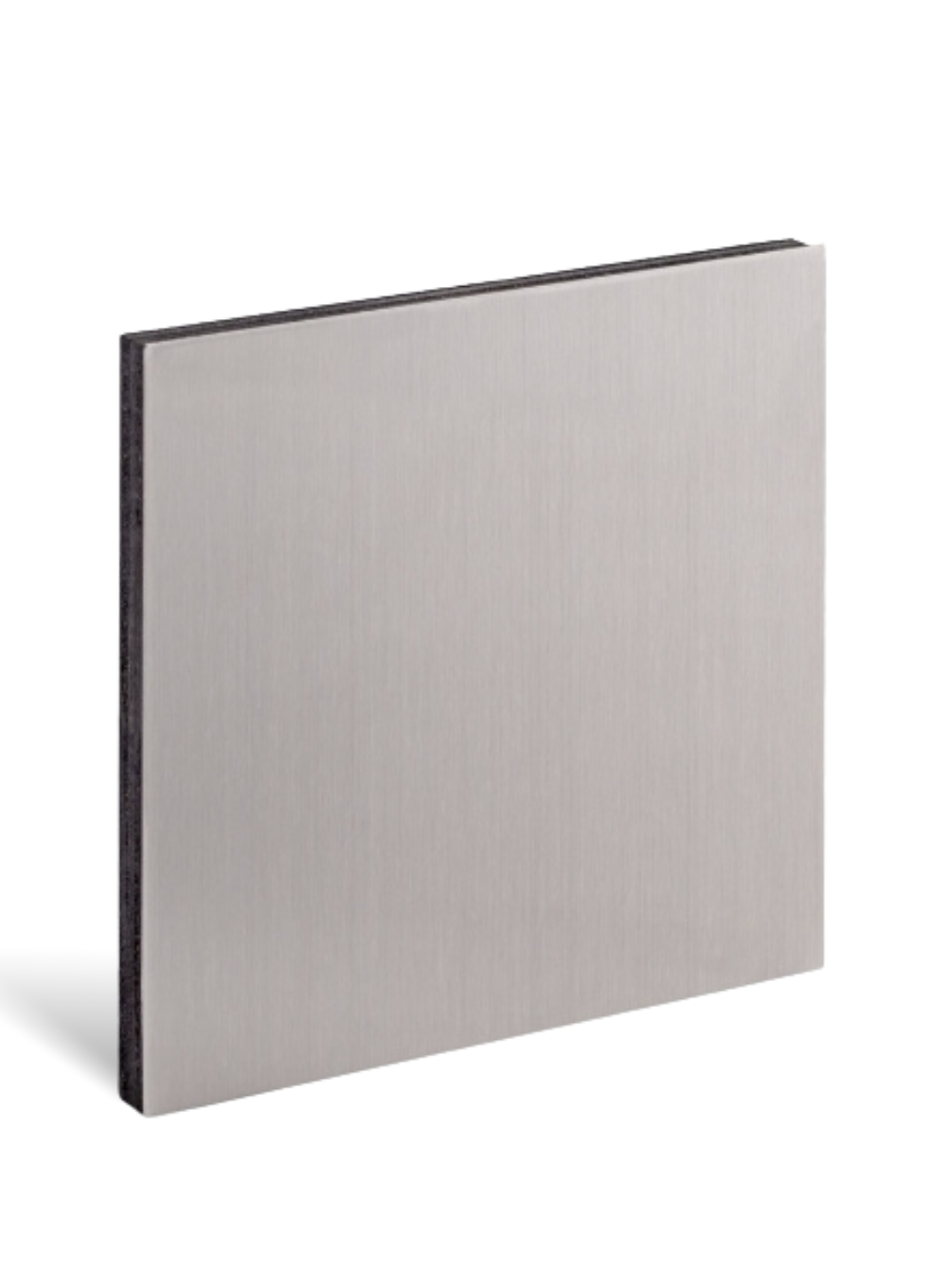
05
Aluminum Alloy
1.Relevant Parameters
- Alloy Type: 6061 and 5052 aluminum alloys are common for furniture.
- Thickness: 1mm to 5mm
- Finish: Can be anodized, powder-coated, or brushed for different aesthetic and protective properties
- Yield Strength: Ranges from 276 MPa to 290 MPa depending on the alloy
- Tensile Strength: Ranges from 310 MPa to 317 MPa depending on the alloy
2.Applications in Whole-House Custom Furniture
- Cabinet Frames and Legs: Provides lightweight yet strong support for cabinets.
- Door and Drawer Handles: Used for modern and minimalist handle designs.
- Decorative Trim: Can be used for decorative trim and accents in furniture.
- Sliding Door Frames: Ideal for sliding door frames due to its lightweight and rigidity.