

In a modern kitchen, choosing the wrong wall-mounted cabinet for kitchen projects can lead to wasted space, poor functionality, and costly rework. From height and depth to load capacity and layout balance, sizing mistakes often affect both appearance and long-term use. As a trusted kitchen cabinet manufacturer, Kucu helps buyers and project teams avoid these common issues with practical, customized cabinet solutions.
Why do wall-mounted cabinet sizing mistakes happen so often?
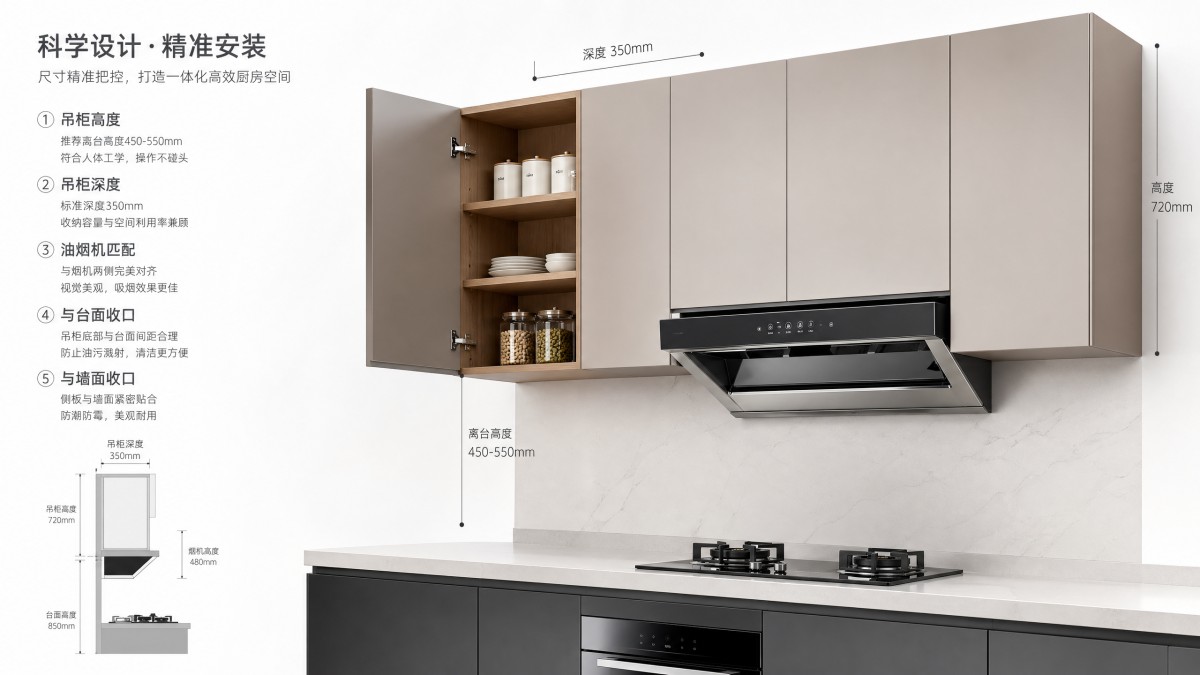
Wall-mounted cabinet for kitchen planning looks simple on paper, but mistakes usually begin when buyers use generic dimensions without checking the actual room, appliance line, and user workflow. In residential and project-based construction, a difference of 20 mm to 50 mm can affect door swing, backsplash alignment, and visual balance across an entire wall.
For procurement teams and project managers, the risk is not only aesthetic. Wrong cabinet height may block a range hood path, reduce countertop usability, or create installation conflicts with tile joints, windows, and plumbing. In export or multi-unit developments, repeated sizing errors can multiply rework costs across 10, 50, or even 200 kitchen sets.
Another common issue is treating all end users the same. A kitchen for a compact apartment, a villa, a rental building, and a commercial staff pantry should not follow one sizing logic. Builders, distributors, and decoration firms need dimensional decisions based on use frequency, storage demand, and installation conditions rather than habit alone.
Kucu Building Materials Co., Ltd. works with builders, design companies, decoration companies, and building owners, so the company sees these sizing problems early in the design and quotation stages. With a 40,000 square meter manufacturing center and 8 high-configuration production lines, Kucu supports customized cabinet production with better drawing coordination and practical dimension control.
The 4 root causes behind poor cabinet fit
- Using standard wall cabinet sizes without checking ceiling height, soffits, and finished wall tolerances.
- Ignoring the clearance zone between countertop and upper cabinets, which often affects daily cooking comfort.
- Overlooking load requirements for dish storage, spice storage, glassware, or built-in accessories.
- Failing to coordinate cabinet width modules with appliances, corner conditions, and transport limitations.
Which dimensions matter most in a wall-mounted cabinet for kitchen projects?
When selecting a wall-mounted cabinet for kitchen use, three dimensions usually carry the greatest impact: height, depth, and width. In many projects, upper cabinet depth commonly falls around 300 mm to 350 mm, while the gap between countertop and wall cabinet bottom is often planned around 500 mm to 650 mm depending on hood type, user height, and backsplash design.
Height should never be chosen for appearance alone. Taller wall units increase storage, but they can reduce accessibility for daily users and complicate installation when ceilings are uneven. In high-rise apartments or renovation projects, even a 10 mm deviation in finished ceiling level may cause a visible mismatch if top panels or fillers are not planned in advance.
Width selection affects both production efficiency and visual rhythm. Repeating practical module widths can simplify manufacturing, packing, and on-site assembly. However, forcing standard widths into non-standard kitchens often creates narrow filler strips, unusable corner spaces, or asymmetry around windows and cooker hoods.
The table below summarizes typical sizing checkpoints that purchasing teams, dealers, and project coordinators should review before approving drawings or mass production.
These ranges are not fixed rules, but they are useful as a first screening tool. The right answer depends on kitchen type, user profile, local installation practice, and whether the project needs flat-pack export, pre-assembled delivery, or phased installation across multiple units.
What should buyers verify before approving production?
- Confirm finished wall dimensions after tile, plaster, or panel treatment, not just civil drawing dimensions.
- Check hood model, flue position, and electrical points before locking upper cabinet height.
- Review door opening direction, corner clearance, and handle collision in 3 key zones: sink area, hood area, and tall-unit transition.
- Match storage function with load expectations, especially for dish cabinets and glass storage areas used daily.
A practical option for modern layout planning
In minimalist or contemporary projects, buyers often compare upper cabinet proportions to maintain a cleaner horizontal line. A product direction such as Minimalism modern cupboard can be relevant when the design goal is visual simplicity combined with customized dimensional control, especially in apartment developments and coordinated decoration projects.
Common sizing mistakes by project type and how to avoid them
Not every mistake comes from bad measuring. Many come from applying the wrong sizing logic to the wrong project. A developer working on compact apartments may prioritize repeatable modules and faster installation, while a homeowner may care more about reach comfort and visual proportion. The same wall-mounted cabinet for kitchen solution rarely fits both cases without adjustment.
In bulk procurement, upper cabinets are sometimes sized only for panel optimization. This may reduce raw material waste in the factory, but it can create usability issues if door heights become difficult for end users. In premium residential projects, the opposite problem appears: aesthetic decisions increase cost and installation complexity without improving real storage performance.
Project managers also face schedule pressure. When site conditions are not finalized, teams may release production too early. A 2-week acceleration in ordering can later create a 3-week delay if wall cabinet positions conflict with MEP points, hood ducts, or ceiling trims. Early coordination usually saves more time than rushed production.
The comparison table below helps different buyers identify the most frequent sizing risks by application scenario and choose a better control method.
This comparison shows why cabinet sizing should be linked to project type, not only product category. A supplier with design, production, and export coordination capability can reduce these risks by translating site reality into workable manufacturing drawings before materials are cut.
Three warning signs that your current layout may need revision
- The wall cabinet line looks balanced in elevation, but users cannot open small appliances comfortably below it.
- The hood area forces narrow filler panels on both sides, reducing storage value and visual quality.
- The cabinet plan depends on perfect wall alignment even though site tolerance may vary by several millimeters.
How should procurement teams evaluate sizing, cost, and production feasibility?
A smart purchasing process does not focus on unit price alone. For a wall-mounted cabinet for kitchen package, total project value depends on dimensional accuracy, material coordination, hardware suitability, packing method, and installation predictability. A slightly cheaper cabinet can become more expensive if it causes rework, damage during shipping, or long site adjustments.
Procurement personnel should review at least 5 key checkpoints before placing an order: final dimensions, material specification, hardware requirements, packing mode, and lead time. For export-oriented projects, it is also useful to confirm labeling logic, batch control, and whether installation drawings can be matched to each kitchen unit or room number.
Kucu has 20 years of customized cabinet supply experience and combines production, design, and exportation abilities. This matters when buyers need one supplier to coordinate cabinetry for kitchen cabinets, wardrobes, and bathroom vanities under a consistent project standard, especially when delivery needs to be phased over 2 to 4 weeks or aligned with building handover schedules.
For some distributors and showroom buyers, a clean-lined product concept such as Minimalism modern cupboard may also support market positioning. However, the commercial decision should still be based on local demand, dimensional flexibility, and installation practicality rather than trend alone.
A 4-step procurement review process
- Drawing confirmation: verify room dimensions, appliance layout, and finished surface conditions before quotation finalization.
- Technical alignment: confirm panel thickness, edge treatment, shelf load expectations, and mounting method.
- Production planning: lock module sizes, quantity breakdown, packing sequence, and delivery batches.
- Pre-shipment review: check labels, accessory completeness, and installation document consistency.
What cost factors are often underestimated?
Many buyers compare only cabinet body price, but hidden costs often come from fillers, non-standard cutting, damaged panels, delayed installation, and repeated site visits. If a wrong upper cabinet depth creates user discomfort, the project may face replacement requests after handover. In that case, the real cost is not the cabinet itself but labor disruption and schedule loss.
In building material projects, cost control improves when cabinet sizing, packing, and installation are treated as one chain. This is especially important for builders and dealers who manage multiple units, because a repeated error across a batch can quickly exceed the apparent savings from low initial pricing.
FAQ: What do buyers ask most before ordering wall cabinets?
Before confirming a wall-mounted cabinet for kitchen order, buyers usually want quick answers on fit, lead time, and risk control. The questions below reflect common concerns from developers, distributors, project engineers, and end users who need both practical sizing and dependable supply coordination.
How high should a wall-mounted cabinet be above the countertop?
In many kitchen projects, the clearance between the countertop and the bottom of the wall cabinet is often planned around 500 mm to 650 mm. The final dimension depends on user height, hood design, backsplash treatment, and whether the kitchen needs more visual openness or more enclosed storage. Always confirm with the appliance layout before production.
What depth is usually practical for upper kitchen cabinets?
A typical practical range is about 300 mm to 350 mm for many residential kitchens. Shallower cabinets may look lighter but reduce storage efficiency. Deeper cabinets may interfere with headroom and cooking comfort. If the project includes compact kitchens, mock-up review is useful before approving large-volume production.
How long does a custom cabinet project usually take?
Lead time depends on quantity, finish complexity, and drawing confirmation speed. In general, buyers should plan by stages: design coordination, production scheduling, and shipping arrangement. For project work, allowing 2 to 4 weeks for organized production planning after final drawing approval is often more realistic than rushing orders with incomplete data.
What should distributors and dealers check before importing?
Focus on 6 points: size modularity, finish consistency, packing protection, accessory labeling, installation documentation, and replacement part handling. These six checkpoints help reduce after-sales trouble, especially when cabinets are shipped in batches or installed by local teams unfamiliar with the original manufacturing drawings.
Why choose Kucu for customized kitchen cabinet projects?
For buyers in the building decoration materials industry, a cabinet supplier should do more than manufacture panels. The real value comes from turning project requirements into workable dimensions, stable production, and smoother delivery. Kucu Building Materials Co., Ltd., based in Foshan, Guangdong, supports this with a 40,000 square meter manufacture center, 8 high-configuration production lines, and 20 years of customized cabinet experience.
Because Kucu integrates production, design, and exportation abilities, the company can support different buyer groups with more relevant solutions. Builders may need batch consistency and schedule coordination. Design companies may need layout flexibility and finish matching. Dealers and distributors may need product positioning, sample support, and repeatable modular systems for local sales.
Kucu supplies various types of kitchen cabinets, wardrobes, and bathroom vanities at competitive prices, which is useful for projects requiring consistent interior storage products across multiple spaces. More importantly, the team can help reduce common wall-mounted cabinet sizing mistakes before they become manufacturing or installation problems.
If you are planning a kitchen project, you can contact Kucu to discuss 5 practical topics: dimension confirmation, cabinet type selection, lead time planning, customized solution design, and quotation details. Buyers can also ask about sample support, packing methods, and how to coordinate cabinet layouts with appliance positions and site conditions before mass production begins.
What can you consult with us about right now?
- Wall-mounted cabinet for kitchen sizing review for apartments, villas, showrooms, or renovation projects.
- Customized cabinet solutions based on room dimensions, appliance layout, and finish requirements.
- Production and delivery planning for small-batch, medium-batch, or large project quantities.
- Quotation comparison, sample requests, and export-oriented packing and documentation support.