
For buyers, project managers, and distributors, the short answer is: yes, open cabinet custom design can be worth it—but only when the project needs better space use, a stronger visual concept, or more flexible product positioning. If the goal is simply the lowest upfront price, standard closed cabinetry is often the cheaper route. But if you are sourcing for residential developments, hospitality projects, showrooms, or design-led interiors, custom open cabinets can create measurable value through layout efficiency, easier coordination, and better market appeal.
In practical terms, the decision is not just about aesthetics. It is about whether the design supports the project type, target customer, installation conditions, and long-term commercial return. For procurement teams and project leaders, the real question is: will custom open cabinets improve the final project enough to justify the additional design and manufacturing input?
When Is Open Cabinet Custom Design Actually Worth the Cost?
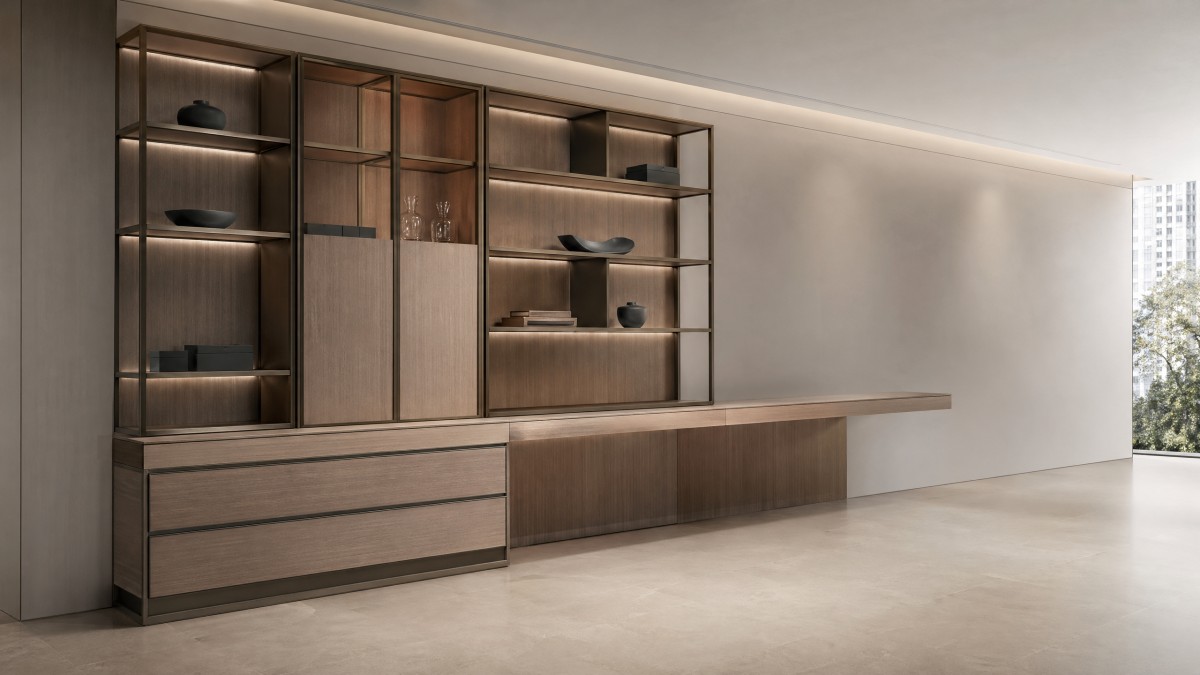
For most commercial buyers, custom open cabinet design is worth the investment in four common situations:
- When space planning is difficult: irregular walls, compact apartments, mixed-use spaces, or renovation projects often need non-standard dimensions.
- When appearance influences sales or leasing: open cabinet systems can make kitchens, wardrobes, and vanity areas look more modern, lighter, and more premium.
- When product differentiation matters: distributors and developers may need customized cabinet solutions that stand out from standard market offerings.
- When functionality needs to match user behavior: open shelving, display storage, easy-access organization, and hybrid open-closed layouts can fit specific end-user needs better.
In contrast, custom open cabinet design may be less worthwhile for projects that are highly price-sensitive, require maximum dust protection, or prioritize uniform mass deployment over design flexibility.
What Buyers and Project Managers Care About Most
For this audience, the main concern is rarely “Is it beautiful?” The more important questions are usually:
- How much more does custom open cabinet design cost compared with standard options?
- Will it create enough added value for the developer, contractor, or distributor?
- Is it practical for the end user?
- Will it slow down production, export, or installation?
- Are there quality or maintenance risks?
- Can the supplier handle design, manufacturing, and international project coordination reliably?
These are the right questions. Open cabinet customization is not automatically a premium choice in every case. Its value depends on whether the design improves the business result, not only the visual style.
Key Benefits of Custom Open Cabinets for Commercial Projects
1. Better use of available space
Standard cabinet modules do not always fit real project conditions. Custom open cabinets can be adjusted to ceiling height, wall length, corner conditions, appliance layouts, or combined storage requirements. This is especially valuable in apartments, villas, hotels, and renovation projects where every centimeter matters.
2. More flexible design language
Open cabinets can be used to create minimalist kitchens, boutique wardrobe systems, display-integrated storage, or contemporary bathroom vanity arrangements. For distributors and design companies, this flexibility supports broader product portfolios and better alignment with local market trends.
3. Improved visual openness
In many modern interiors, fully closed cabinetry can feel heavy. Open cabinet elements reduce visual bulk and help smaller spaces appear more spacious. This can be a selling point in model homes, project showrooms, and marketing materials.
4. Easier product positioning
For dealers and project suppliers, custom designs allow clearer segmentation: economical lines, mid-range practical solutions, and premium decorative systems. Open cabinet customization supports this layered offering more effectively than one-size-fits-all products.
5. Stronger coordination with mixed cabinet systems
In reality, many projects do not use fully open cabinetry. Instead, they combine open shelving, closed storage, tall units, islands, wardrobes, and vanities. Custom design makes these combinations more coherent and more functional.
What Are the Main Cost Factors?
If you are evaluating whether open cabinet custom design is worth it, cost must be looked at in a structured way. The total cost is influenced by several factors:
- Design complexity: more custom sizes, finishes, and structure details usually mean more engineering work.
- Material choice: board quality, hardware, metal framing, glass, lighting integration, and surface finishes all affect price.
- Production quantity: larger volume projects usually reduce average unit cost.
- Installation method: wall-mounted open systems, integrated lighting, or decorative support structures may increase labor requirements.
- Packaging and export needs: overseas projects often require stronger packaging, labeling, and shipment coordination.
However, the right cost comparison is not just custom vs standard. It should be additional investment vs additional value. If customized open cabinets help a property sell faster, improve showroom conversion, reduce wasted space, or expand dealer competitiveness, the return may justify the higher initial spend.
Where Custom Open Cabinet Design Delivers the Best ROI
Not every application offers the same return. The strongest return on investment usually appears in these scenarios:
- Mid-to-high-end residential projects where design appeal affects buyer perception
- Show apartments and marketing spaces where visual impact matters
- Boutique hotels and serviced apartments needing a distinctive interior concept
- Custom home projects with non-standard dimensions and client-specific requirements
- Dealer and distributor channels seeking differentiated cabinet products for local markets
By contrast, the ROI may be weaker in basic rental units, highly standardized public housing, or projects where low maintenance and lowest purchase price are the only decision drivers.
What Risks Should You Evaluate Before Choosing It?
Custom open cabinet design has advantages, but experienced buyers know that every customization decision comes with trade-offs. The key risks include:
- Over-design: attractive concepts that are not practical for daily use
- Dust and maintenance concerns: open storage requires more organized use and more regular cleaning
- Inconsistent end-user habits: some users prefer concealed storage over visible shelving
- Lead time pressure: custom work needs more approval and production coordination than standard cabinets
- Supplier capability gaps: weak design-to-production management can cause sizing, finish, or installation issues
This is why supplier selection is critical. A capable customized cabinet supplier should not only manufacture products, but also support design detailing, shop drawing accuracy, material recommendations, packaging control, and export communication.
How to Judge Whether It Fits Your Project
A practical evaluation framework can help you decide faster. Ask these five questions:
- Does the project benefit commercially from better visual presentation?
- Are the dimensions or layout conditions unsuitable for standard cabinets?
- Will end users actually use open storage in a positive way?
- Can the supplier deliver consistent custom quality at the required scale?
- Will the added cost improve selling value, usability, or channel competitiveness?
If the answer to most of these is yes, then open cabinet custom design is likely a sound investment.
Why Supplier Capability Matters as Much as the Design Itself
Even a good concept can fail if execution is weak. For procurement professionals and project managers, the real value often comes from working with a supplier that integrates design, production, and export capability.
A manufacturer with strong customization experience can help reduce common project problems such as:
- unclear technical drawings
- finish mismatches between batches
- inaccurate dimensions
- poor packaging for international shipment
- difficult installation coordination on site
For large or repeat buyers, this operational reliability can be just as important as the cabinet style itself. A supplier with mature manufacturing lines, project experience, and export handling can make custom open cabinet sourcing more predictable and lower-risk.
Final Verdict: Is Open Cabinet Custom Design Worth It?
Yes—if your project needs more than a basic storage solution. For buyers, project managers, and distributors, custom open cabinet design is worth it when it improves space efficiency, strengthens project presentation, supports product differentiation, or helps meet non-standard layout requirements.
It is less about following a trend and more about matching design investment with project goals. If your priority is the lowest initial cost, standard cabinets may be enough. But if your priority is stronger market appeal, better fit, and more flexible product value, customized open cabinets can be a smart business decision.
In short, the best choice depends on application, budget, and execution capability. When the right supplier supports the process from design to production, open cabinet custom design can deliver both functional and commercial advantages.