
Choosing between open cabinet custom design and closed storage is not just a style decision. For builders, project managers, and distributors, it affects budget control, maintenance workload, installation planning, and the long-term user experience. In most residential and commercial projects, closed storage remains the safer and more practical choice for daily use, while open cabinet design works best when display value, visual lightness, or branding impact is a priority. The right answer often is not either-or, but a balanced combination based on room function, client expectations, and operating costs.
This guide compares open shelving and closed cabinetry from a project and procurement perspective, helping decision-makers evaluate which solution delivers the best value for modern kitchens, wardrobes, bathrooms, and mixed-use interiors.
Which option makes more sense for your project: open cabinet custom design or closed storage?
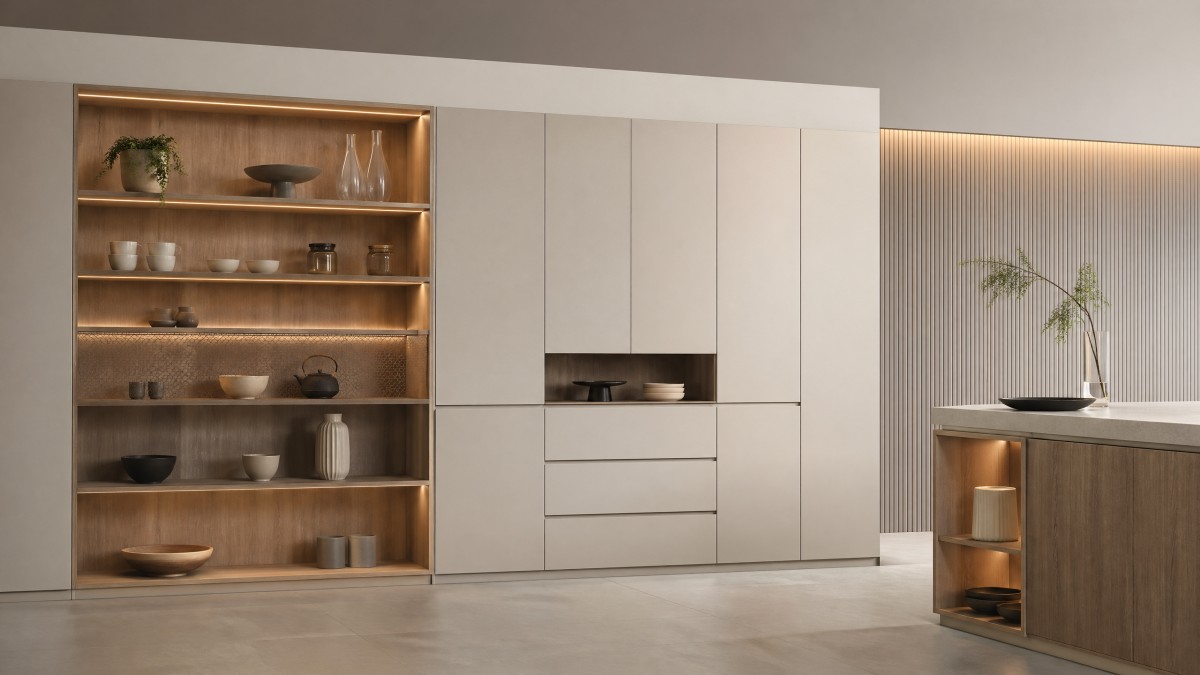
For most volume projects, closed storage offers better functional performance. It protects items from dust, moisture, grease, and visual clutter, which makes it especially suitable for kitchens, bathrooms, family residences, rental units, and high-frequency commercial spaces.
Open cabinet custom design, on the other hand, is often selected for its aesthetic and merchandising value. It can make a space feel larger, lighter, and more personalized. In premium residential interiors, show units, boutique retail spaces, and hospitality projects, open cabinets can strengthen the design concept and improve visual appeal.
A practical rule for decision-making is simple:
- Choose closed storage when the priority is durability, clean appearance, easier maintenance, and broad end-user acceptance.
- Choose open cabinet custom design when the priority is display, design differentiation, easy access to selected items, or a more open spatial effect.
- Choose a hybrid solution when the project needs both storage efficiency and visual character.
For procurement teams and project leaders, hybrid layouts are often the most commercially successful because they balance cost, function, and appearance without pushing risk too far in either direction.
What do procurement teams and project managers care about most?
When target readers search for “open cabinet custom design vs closed storage,” they are rarely looking for theory alone. They usually want to know which option is easier to source, install, maintain, and justify to clients or stakeholders.
The main concerns usually include:
- Cost efficiency: Will open shelving reduce material cost, or will custom finishing and structural support offset the savings?
- End-user satisfaction: Will the final user find the space convenient, clean, and comfortable over time?
- Project positioning: Does the storage style match the market level, branding, or sales target of the property?
- Maintenance risk: Will exposed storage create cleaning complaints, visible disorder, or faster wear?
- Space performance: Does the room need visual openness, or does it need maximum hidden capacity?
- Standardization vs customization: Can the solution be repeated efficiently across multiple units or locations?
That means a useful comparison should focus less on abstract style preferences and more on real project outcomes: lifecycle value, installation practicality, and suitability by application.
How do open cabinets and closed storage compare in real-world use?
Below is the most relevant comparison for construction, fit-out, and supply decisions.
1. Visual impact and market appeal
Open cabinet custom design creates a lighter and more contemporary look. It works well for displaying tableware, books, decor, towels, premium finishes, or branded products. This makes it attractive for model homes, luxury apartments, cafes, retail environments, and social media-driven interior concepts.
Closed storage creates a cleaner and more controlled appearance. It is easier to keep consistent across multiple units, which matters in large residential developments, hotels, and standardized commercial projects.
Best fit:
- Open design: premium visual projects, display-led spaces, boutique concepts
- Closed design: practical projects, family living, rental properties, operational environments
2. Maintenance and cleanliness
This is one of the most important factors and often the point that decides the final specification.
Open shelving exposes stored items to dust, grease, humidity, and daily visual disorder. In kitchens, especially, this can quickly reduce the perceived quality of the space unless users are highly organized. In bathrooms, exposed storage may also require moisture-resistant materials and careful detailing.
Closed storage protects contents and reduces visible mess. For most end users, that means easier long-term use and fewer complaints after handover.
Best fit:
- Open design: low-dust display zones, curated spaces, low-frequency use areas
- Closed design: busy kitchens, family homes, rental units, humid environments
3. Storage efficiency and usability
Closed cabinets usually provide better usable storage capacity because they allow full-height enclosures, internal organization systems, and hidden storage of mixed-size items. They are better for users who need flexible and high-volume storage.
Open cabinet custom design improves visibility and quick access, which is useful for frequently used items. But because everything is visible, users tend to store fewer items or must maintain a more intentional arrangement.
Best fit:
- Open design: quick-access essentials, decorative display, controlled inventory
- Closed design: bulk storage, mixed household items, practical daily use
4. Cost and manufacturing considerations
Some buyers assume open shelving is always cheaper because it uses fewer doors and hardware components. In simple layouts, that can be true. However, in custom cabinet design, the actual cost depends on finish quality, support structure, edge treatment, wall fixing requirements, and the precision needed for visible surfaces.
Open cabinets often expose more of the material and workmanship, so finish quality becomes more critical. Closed cabinets may cost more in hardware, hinges, and door panels, but they can also hide minor visual irregularities more effectively.
For large-scale procurement, the most cost-effective path is often not the fewest components, but the most repeatable design with the lowest risk of site adjustments and after-sales issues.
5. Installation and project execution
Open shelving may seem simpler, but in custom applications it can require accurate wall leveling, strong support, and careful alignment because everything remains visible. Any inconsistency in finish or installation is easier to notice.
Closed storage systems can involve more parts, but they also offer more tolerance in concealing building conditions and stored contents. This often makes them more forgiving in real project environments.
For project managers, the key question is not only “Which is faster?” but “Which is less likely to create snagging and end-user dissatisfaction?” In many cases, closed storage has the advantage.
Where does open cabinet custom design work best?
Open cabinet solutions are strongest when they are used intentionally rather than as a full replacement for enclosed storage.
Recommended scenarios include:
- Show kitchens and model units: to create a premium, styled presentation
- Luxury residences: where clients value personalized display and lighter interiors
- Retail and hospitality: where product visibility or atmosphere matters
- Wardrobe feature zones: for bags, shoes, accessories, or seasonal display
- Bathroom accent areas: for towels, decor, and hotel-style styling
In these settings, open design adds commercial or visual value. But it performs best when paired with hidden storage elsewhere for practical needs.
Where is closed storage the safer specification?
Closed storage is usually the better default in projects where reliability and broad user acceptance matter more than visual styling.
It is especially suitable for:
- Mass residential developments
- Rental apartments and serviced units
- Family kitchens
- High-humidity bathrooms
- Commercial back-of-house storage
- Projects with strict maintenance or cleaning standards
For distributors and dealers, closed cabinet systems are often easier to position across a wider customer base because they solve more everyday problems and require less explanation during sales.
Is a hybrid cabinet layout the best commercial solution?
In many cases, yes. A hybrid cabinet solution combines the strengths of both formats:
- Closed base cabinets for high-capacity and hidden storage
- Open wall shelving for display and visual lightness
- Closed wardrobe compartments with open accessory niches
- Bathroom vanities with enclosed storage plus open towel shelving
This approach is often ideal for developers, builders, and design firms because it improves perceived design value without sacrificing practicality. It also gives procurement teams more flexibility to control cost by using open elements selectively instead of applying them throughout the entire project.
How should buyers evaluate the right option before specifying?
Before choosing open cabinet custom design or closed storage, ask these five questions:
- Who is the end user?
Owners in premium homes may appreciate open display. Tenants and family users usually prefer hidden storage. - What is the room function?
Kitchens and bathrooms usually need more protection and easier cleaning than dry display areas. - What is the project positioning?
High-end or branded spaces may benefit from open design features. Standardized projects often benefit from enclosed systems. - What are the maintenance expectations?
If low maintenance is a core requirement, closed storage is usually the stronger option. - Can the supplier support customization at scale?
The success of either option depends on manufacturing quality, finish consistency, and project coordination.
Working with an experienced customized cabinet supplier is important here. A supplier with integrated design, production, and export capability can help adjust the balance between open and closed components based on room dimensions, market segment, and installation conditions.
What should distributors and project buyers look for in a cabinet supplier?
Whether the project requires open cabinet custom design, closed storage, or a mixed approach, supplier capability affects the final result as much as the design concept itself.
Key points to evaluate include:
- Customization ability: Can the supplier adapt dimensions, finishes, and configurations to project requirements?
- Production capacity: Can they deliver consistent quality across large orders?
- Material selection: Do they offer suitable boards, finishes, hardware, and moisture-resistant options?
- Export and packaging experience: Can they support international shipping and reduce damage risk?
- Design support: Can they recommend practical combinations instead of only selling standard units?
For multi-unit or overseas projects, this matters even more. Strong factory coordination can reduce lead-time risk, quality variation, and communication delays during procurement and installation.
Final verdict: which cabinet solution delivers better value?
If the goal is practical daily performance, easier maintenance, and wider user acceptance, closed storage usually delivers better overall value. If the goal is design differentiation, display impact, and a more open visual effect, open cabinet custom design can be a strong feature when used in the right places.
For most builders, project managers, and distributors, the smartest choice is not a full commitment to one side. It is a well-planned mix that aligns with the project’s budget, target market, and usage pattern.
In short:
- Closed storage wins on function, cleanliness, and versatility.
- Open cabinet custom design wins on style, visibility, and premium presentation.
- Hybrid layouts often deliver the best commercial and design balance.
When evaluating your next kitchen cabinet, wardrobe, or bathroom vanity project, focus on long-term use, not just first impression. That is usually where the best specification decision is made.