

Keeping your kitchen beautiful and functional starts with smart care. These custom kitchen maintenance tips help homeowners protect cabinet finishes, hardware, and surfaces from daily damage while extending the life of their investment. Whether you have a modern or classic layout, a few simple habits can prevent early wear and keep your custom kitchen looking polished, durable, and easy to enjoy for years.
Why do custom kitchen maintenance tips matter more than many homeowners expect?
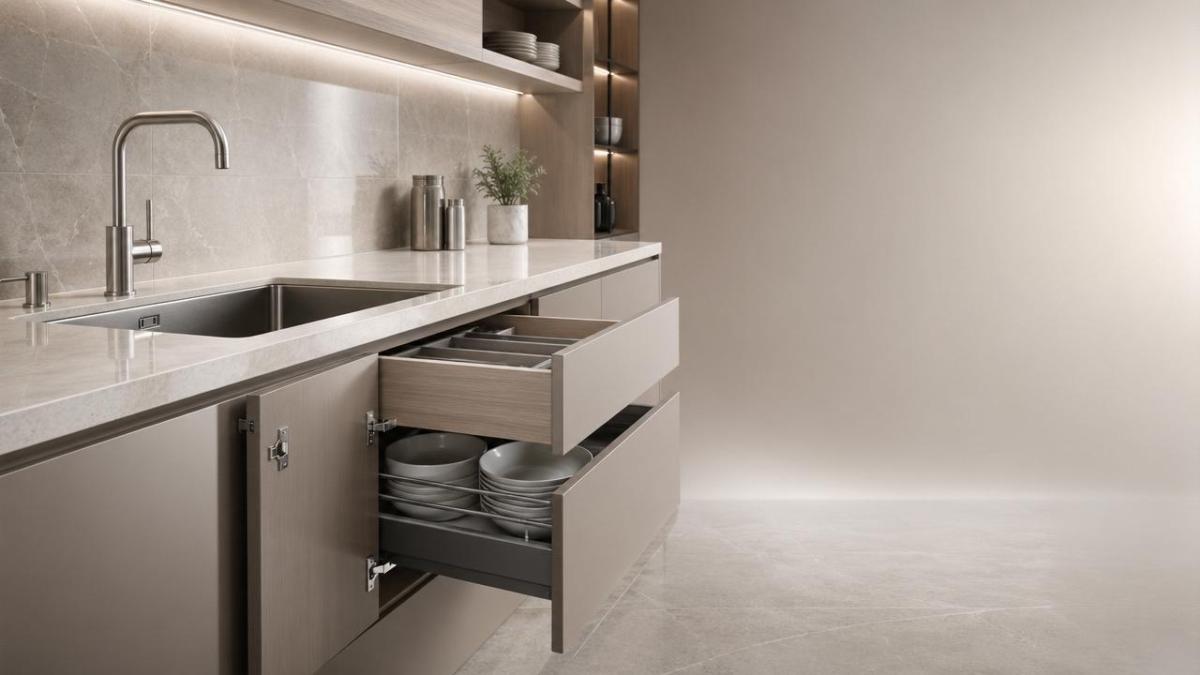
A custom kitchen is not just a set of cabinets. It is a coordinated system of decorative building materials, hardware, edge sealing, countertop surfaces, hinges, drawer runners, and moisture-sensitive panels working together every day. When one part is neglected for 3–6 months, the first signs of wear usually appear in the most touched areas: sink cabinets, drawer fronts, handle zones, and corners near cooktops.
That is why practical custom kitchen maintenance tips are important for end consumers. Good maintenance reduces the risk of swelling around wet zones, fading on exposed finishes, loosened hardware after repeated opening cycles, and grease buildup that becomes difficult to remove. It also helps preserve the visual consistency that makes a custom kitchen feel premium rather than patchy after only a few years of use.
In the building decoration materials industry, durability depends on both material quality and user behavior. Even well-made cabinetry can suffer early wear when water sits on horizontal joints for several hours, when harsh alkaline cleaners are used weekly, or when poor ventilation keeps humidity high around enclosed storage. Daily habits are often as important as the original product specification.
For homeowners comparing suppliers, maintenance should also be part of the buying decision. A kitchen that looks attractive on installation day is not enough. You need to know how the finish responds to steam, how the panel core behaves in damp zones, how the hardware should be adjusted after 6–12 months, and how easily replacement parts can be supported if needed.
Where does early wear usually start?
Most early wear begins in high-contact and high-moisture areas rather than across the whole kitchen. The sink base cabinet is one of the most vulnerable points because small leaks can remain hidden for weeks. Wall cabinets near hobs face repeated heat and oil exposure. Lower drawer fronts take more impact from shoes, cleaning tools, and moving objects such as stools or bins.
- Sink zones: vulnerable to standing water, pipe condensation, and detergent spills.
- Cooktop zones: exposed to grease film, steam, and temperature fluctuation.
- Tall pantry doors and drawers: subject to alignment shift after frequent daily opening.
- Corner edges and toe-kick areas: more likely to show impact marks and abrasion.
How does supplier capability affect long-term maintenance?
A strong supplier can reduce long-term maintenance pressure before the kitchen is even installed. KUCU Building Materials Co., Ltd., based in Foshan, Guangdong, operates a 40,000 square meter manufacturing center with 8 high-configuration production lines and 20 years of customized cabinet experience. For homeowners, that means design, production, and export capability can be aligned more consistently from the beginning.
This matters because accurate production, better edge treatment, coordinated material selection, and practical layout design can all reduce maintenance risk. When the cabinet structure suits the room’s moisture conditions and usage pattern, owners spend less time managing avoidable problems later. In other words, good custom kitchen maintenance tips work best when they are paired with well-manufactured cabinetry.
Which daily and weekly habits best protect cabinet finishes and hardware?
The most effective custom kitchen maintenance tips are usually simple, repeatable, and low-cost. Homeowners do not need complicated treatments. What matters is consistent control of moisture, grease, impact, and chemical exposure. A 5-minute daily wipe-down and a 15–20 minute weekly check can prevent many small issues from turning into repairs.
Start with moisture discipline. After cooking or washing dishes, dry visible water from countertop joints, sink edges, and cabinet fronts. Do not leave wet cloths hanging over painted or laminated doors for long periods. If a spill reaches the lower cabinet interior, remove items and dry the area immediately rather than waiting until the next cleaning cycle.
Ventilation is equally important. Use an extractor while cooking and keep airflow moving for 10–15 minutes afterward, especially in compact apartments or closed kitchens. Reduced steam accumulation helps preserve finish stability and keeps the internal cabinet environment more balanced. This is particularly useful for MDF-based or engineered wood cabinetry used in many decorative kitchen systems.
Hardware also needs attention. Hinges and drawer runners should not be forced when overloaded or blocked by stored items. If a door starts rubbing or a drawer feels uneven, schedule a simple adjustment early. Waiting 2–3 months often causes extra stress on screws, hinge plates, and surrounding panel holes.
A practical maintenance routine for homeowners
The routine below is useful for most custom kitchens, whether the design is modern flat-panel, shaker-style, handleless, or mixed-material. It is designed for ordinary family use rather than commercial kitchens.
- Daily: wipe cabinet fronts near the sink and cooktop with a soft damp cloth, then dry them immediately.
- Weekly: inspect hinges, runners, and under-sink panels for looseness, drips, or odor.
- Monthly: clean handles, grooves, and door edges where oils from hands tend to build up.
- Every 6–12 months: request or perform minor hardware adjustment if alignment changes appear.
Cleaning products: what to use and what to avoid
Many cases of early wear are caused by the wrong cleaner rather than by age. Strong solvents, abrasive powders, steel wool, and highly concentrated degreasers may damage the topcoat, reduce gloss consistency, or weaken decorative surfaces over time. Mild pH-neutral cleaners are generally safer for routine care unless the specific material supplier advises otherwise.
The table below helps homeowners compare common maintenance choices for different kitchen surfaces and hardware zones.
This comparison shows that gentle, regular maintenance is more effective than aggressive deep cleaning. For most homeowners, custom kitchen maintenance tips should focus on prevention, not restoration. Once edges chip or finishes dull, repair is harder and sometimes visible even after touch-up work.
How should maintenance change by kitchen material, layout, and usage pattern?
Not all kitchens age the same way. An open-plan family kitchen used 3 times a day faces different wear compared with a holiday apartment kitchen used only on weekends. Material selection also changes the maintenance plan. This is why effective custom kitchen maintenance tips must match the cabinet finish, core material, hardware level, and room ventilation condition.
For example, glossy finishes show fingerprints faster, so homeowners may need light wiping every 1–2 days in active cooking zones. Textured finishes can hide marks better but may collect grease in grooves if neglected. Wood-look decorative surfaces often need careful moisture control near sinks because repeated edge wetting is a common source of swelling.
Layout matters too. L-shaped and U-shaped kitchens usually create heavy-use corners and concentrated work zones. Island kitchens often see more impact on exposed end panels. Small enclosed kitchens need stronger ventilation habits because heat and steam remain trapped more easily, increasing long-term pressure on decorative materials and hardware.
The table below helps consumers match maintenance priorities to common household kitchen conditions.
This kind of material-and-scenario thinking helps consumers avoid generic care mistakes. It also supports better purchasing decisions. When buyers discuss expected usage with an experienced cabinet supplier, they can select more suitable decorative materials and reduce future maintenance pressure from the start.
What homeowners should ask before ordering a custom kitchen
Maintenance begins before installation. Asking the right questions during product selection is one of the smartest custom kitchen maintenance tips because it helps you choose finishes and construction details that suit your home.
- What panel material and surface finish are being used in sink and cooktop areas?
- How are edges sealed, and which locations need extra moisture protection?
- Are replacement hinges, runners, or matching accessory parts available later?
- What routine cleaning methods are recommended during the first 12 months?
Why production consistency supports easier care
When a supplier controls design, production, and export coordination, it becomes easier to maintain finish consistency, door alignment, and part matching. KUCU supplies customized kitchen cabinets, wardrobes, and bathroom vanities and works with builders, design companies, decoration companies, and building owners. That background is useful for end consumers because it reflects familiarity with varied project requirements, from layout planning to practical material matching.
What are the most common mistakes that cause early wear in custom kitchens?
Many homeowners assume visible damage comes only from low-quality products, but everyday misuse is often the real trigger. One of the most common failures is delayed response to moisture. A minor drip under the sink may look harmless for 1–2 weeks, yet continuous dampness can affect panel edges, shelf bases, and even screw holding performance over time.
Another mistake is overloading drawers and pull-out systems. Storage hardware is designed for practical household use, but repeated excess weight can accelerate misalignment, slow closing action, or side stress on runners. The result is not always immediate breakage; often it appears first as noise, drag, or uneven movement that owners ignore until repair becomes more complicated.
Poor cleaning discipline is also costly. Letting grease sit for months makes cleaning more aggressive later, which increases the chance of surface scratching or finish dulling. Likewise, using a wet mop or heavy water spray near toe-kick panels can gradually expose lower edges to repeated moisture stress. These are preventable problems, not unavoidable aging.
The goal of custom kitchen maintenance tips is to reduce both repair frequency and appearance decline. Avoiding the wrong habits often has more impact than buying special aftercare products.
A quick risk checklist for homeowners
- Do you leave water around the sink cabinet joint for more than 30 minutes after use?
- Are cabinet doors exposed to direct cooking steam without extractor use?
- Have any hinges or handles felt loose for over 4 weeks without adjustment?
- Are strong chemical cleaners used on decorative surfaces every week?
- Is the under-sink area checked less than once a month?
FAQ: real maintenance questions from buyers and homeowners
How often should I inspect a custom kitchen for hidden problems?
A quick visual check every week is ideal for active households, while a more detailed inspection every month is usually enough for lighter use. Focus on under-sink plumbing, door alignment, runner movement, toe-kick moisture, and any change in smell. These signs often reveal trouble early, before decorative materials are visibly affected.
Are custom kitchen maintenance tips different for families with children?
Yes. Family kitchens with children usually need more frequent cleaning of lower cabinet fronts, handle areas, and drawer corners. Impact marks, food spills, and repeated door slamming are more common. In these homes, soft-close hardware, durable finishes, and a monthly alignment check are especially valuable.
Can minor door misalignment wait until the next renovation?
Usually no. Small misalignment should be corrected early, ideally within a few weeks of noticing it. A rubbing door can damage edges, loosen screws, and increase stress on hinges. Small adjustments are generally much easier than replacing damaged hardware or repairing worn door surfaces later.
What if I want low maintenance from the start?
Choose materials and layouts based on real usage, not only showroom appearance. Ask about finish behavior, edge treatment, moisture-sensitive zones, and after-sales support for parts. For many homeowners, the best custom kitchen maintenance tips begin with selecting a cabinet supplier that understands both design and long-term usability.
Why choose us when planning a durable and easy-care custom kitchen?
If you want a kitchen that is easier to maintain over the next 5–10 years, the right partner matters as much as the right cleaning routine. KUCU Building Materials Co., Ltd. brings 20 years of customized cabinet supply experience, supported by a 40,000 square meter manufacturing center and 8 high-configuration production lines in Foshan, Guangdong. This allows better coordination between design intent, manufacturing consistency, and export delivery requirements.
For end consumers, this means you can discuss more than just style. You can ask about finish selection for humid kitchens, suitable cabinet solutions for different household habits, practical care advice for high-use zones, and how to balance budget with long-term durability. That is especially important if you are comparing several suppliers and do not want maintenance surprises after installation.
We provide various types of kitchen cabinets, wardrobes, and bathroom vanities at competitive pricing, while also understanding the needs of builders, design companies, decoration companies, and building owners. That broader project experience helps us support homeowners with practical product selection, not just product appearance.
If you are reviewing custom kitchen maintenance tips before buying, contact us to discuss material options, surface care expectations, delivery lead time, custom layout planning, sample support, and quotation details. A focused conversation about usage habits, room conditions, and maintenance goals can help you choose a kitchen solution that stays attractive and functional with less effort over time.